


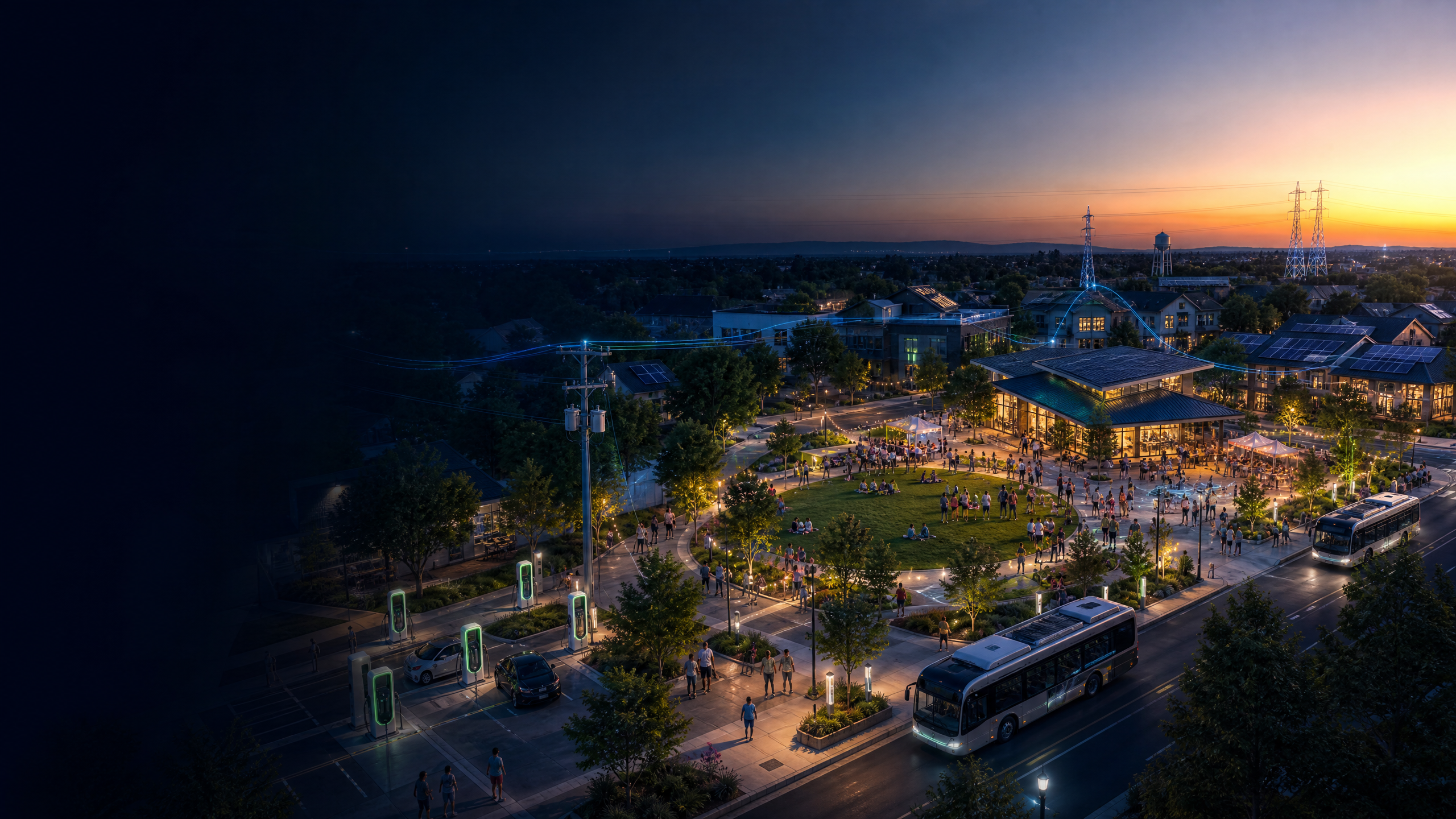
As the global energy transition accelerates into 2026, the primary bottleneck for electrification and grid modernization is rarely technical or financial. Instead, the most formidable hurdle facing utilities, grid operators, and infrastructure developers is social: public acceptance. While billions of dollars flow into EV charging infrastructure, high-voltage transmission lines, substation upgrades, and heat pump incentives, local communities increasingly demand a voice in how these assets shape their neighborhoods. Navigating this landscape requires more than engineering excellence; it demands strategic public relations, transparent storytelling, and genuine community engagement.
The 2026 Social Landscape of Infrastructure
The year 2026 brings a unique paradox to energy infrastructure development. On one hand, climate urgency and federal support have made clean energy investments mainstream. On the other hand, “Not In My Backyard” (NIMBY) sentiment has evolved into sophisticated, organized opposition. Communities are hyper-aware of visual impacts, land use changes, construction disruptions, and perceived property value shifts.
When utility leaders approach electrification projects with a purely compliance-driven mindset—treating community outreach as a checkbox rather than a core strategic pillar—they invite friction, regulatory delays, and legal challenges. Securing public acceptance is no longer a peripheral task handled at the tail end of project planning. It must be integrated into the foundational DNA of every grid modernization and electrification initiative from day one.
Shifting from “Inform” to “Co-Create”
Traditional public meetings often devolve into contentious forums where frustrated residents feel talked down to by corporate entities or municipal authorities. To overcome skepticism in 2026, progressive utility and energy companies are shifting from a model of informing the public to one of co-creating value.
Co-creation involves engaging stakeholders long before ground is broken. It means translating complex engineering metrics—such as transformer capacities, feeder lines, and voltage stability—into relatable community benefits. When residents understand that a local substation upgrade or EV depot is the direct key to preventing summer blackouts, supporting local economic growth, and improving local air quality, the narrative shifts from imposition to investment.
The difference between a compliance-driven outreach program and a co-creative engagement strategy is easiest to see in four practical decisions.
Timing. Traditional outreach often begins after engineering is complete and permitting is approaching. A co-creative approach begins during feasibility and site selection, when community feedback can still inform the project.
Format. One-way town halls and static notices may satisfy a minimum requirement, but they rarely build confidence. Interactive workshops, digital feedback hubs, and transparent dialogue give stakeholders a meaningful way to participate.
Message. A narrow message focused on technical compliance and regulatory necessity can feel imposed on a community. A stronger message connects the work to shared resilience, economic opportunity, and local health benefits.
Outcome. The first approach is designed mainly to manage pushback. The second is designed to earn long-term trust and, over time, create credible community advocates.
The Power of Narrative in Grid Modernization
Grid infrastructure is inherently invisible to the average consumer until something goes wrong. Highlighting this invisibility is both a challenge and an opportunity. Electrification marketing must humanize the grid.
Storytelling bridges the gap between cold technical specifications and human aspirations. Whether communicating the rollout of smart meters, community solar integration, or heavy-duty fleet electrification, communications teams must articulate the “why” behind the wires. By leveraging targeted digital campaigns, local media partnerships, and accessible educational content, utilities can demystify the transition. When an electrification project is framed as an engine of regional prosperity rather than an industrial intrusion, public resistance naturally gives way to civic pride.
Partnering for Success with Watt + Company
Securing public acceptance in 2026 requires an expert fusion of strategic communications, stakeholder mapping, and compelling storytelling. At Watt + Company, we specialize exclusively in helping utilities, energy innovators, and grid infrastructure leaders navigate the complexities of public perception and stakeholder relations.
Whether you are launching a massive transmission expansion, deploying localized EV charging networks, or educating communities on the benefits of electrification, our team delivers tailored PR and marketing strategies that build trust, neutralize opposition, and accelerate project timelines.
Ready to transform your next infrastructure project into a community success story? Partner with Watt + Company today to elevate your narrative and win the public acceptance your mission deserves.