

Why Stakeholder Alignment Determines Electrification Project Success
Electrification projects in 2026 face unprecedented complexity. Whether you’re deploying EV charging infrastructure, modernizing grid systems, or rolling out smart distribution equipment, your technical solution is only half the equation. The other half? Getting everyone on board before you break ground.
The data tells a clear story: projects with structured stakeholder engagement are 2.5 times more likely to meet timelines and stay within budget. This isn’t soft skills—it’s strategic risk management. When utilities, regulators, community groups, and internal teams understand the value proposition and their role in the outcome, friction drops and momentum builds.
In today’s fast-moving electrification economy, stakeholder misalignment creates costly delays. Regulatory approvals stall. Community opposition emerges. Internal teams work in silos. These aren’t edge cases—they’re predictable failure points that strategic engagement can prevent.
Mapping Your Stakeholder Ecosystem Before Breaking Ground
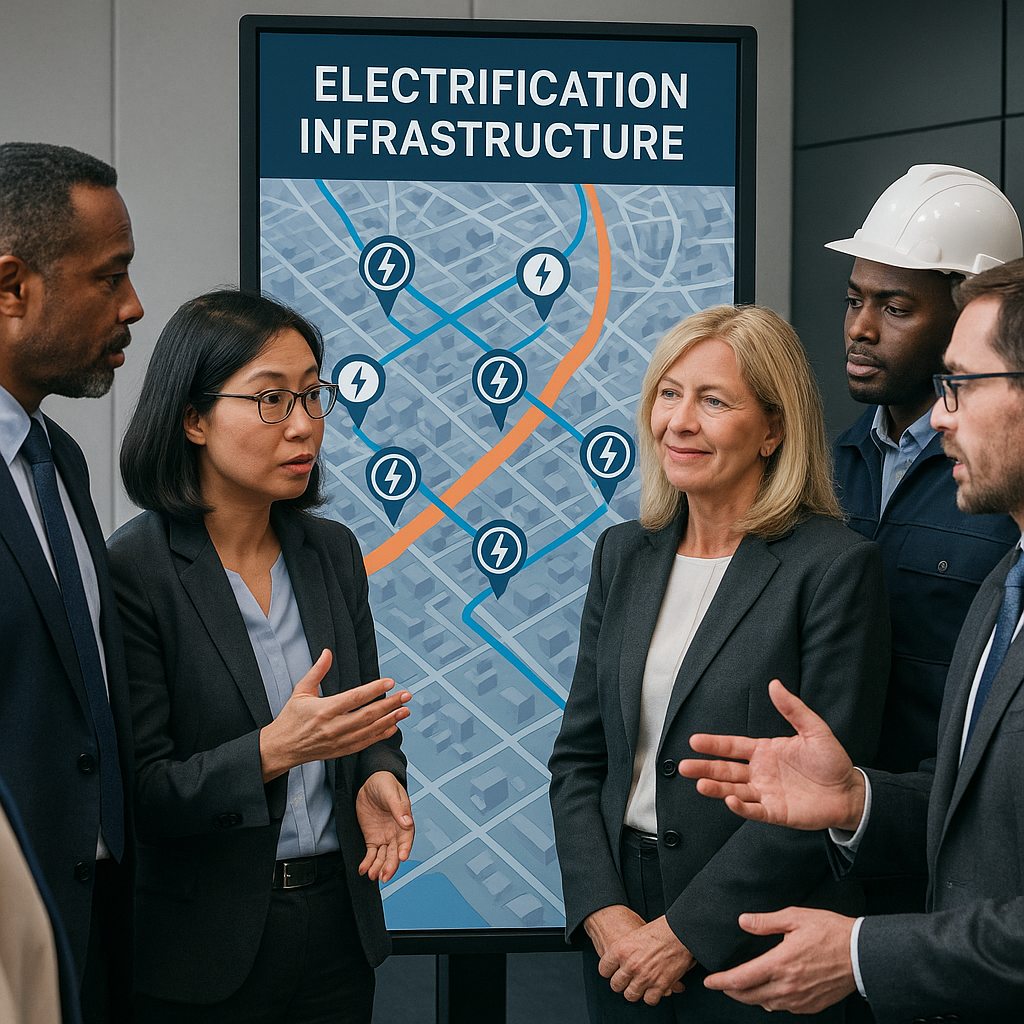
Start with a comprehensive stakeholder map that goes beyond the org chart. Identify decision-makers, influencers, end users, and potential blockers across five key groups: regulatory bodies, utility partners, community stakeholders, internal teams, and industry partners. Each group has distinct priorities, concerns, and communication preferences.
Practical tip for 2026: Use a power-interest matrix to prioritize engagement efforts. High-power, high-interest stakeholders (like utility partners and lead regulators) require active management and frequent touchpoints. High-interest, lower-power groups (such as community advocates) benefit from targeted information sharing and consultation forums.
Document each stakeholder’s success criteria. What does a win look like from their perspective? A utility partner may prioritize grid stability and load management. A city planner focuses on urban development goals and public safety. A CFO wants ROI clarity and risk mitigation. Understanding these distinct value drivers allows you to customize your approach and demonstrate project relevance across the ecosystem.
Translating Technical Complexity Into Stakeholder Value
Electrification professionals speak in specs, load curves, and technical standards. Your stakeholders speak in outcomes, risks, and community impact. The gap between these languages is where projects lose momentum.
The trend we’re seeing in 2026: outcome-based messaging frameworks that translate technical capabilities into stakeholder-specific value. Instead of detailing transformer specifications, frame the conversation around what those specifications enable—reduced outage frequency for utilities, cleaner air for communities, operational cost savings for facilities managers.
Create a messaging matrix that maps technical features to stakeholder benefits. For regulators, emphasize compliance, safety standards, and alignment with decarbonization mandates. For community groups, focus on local economic impact, environmental benefits, and how the project addresses their specific concerns. For internal teams, clarify how the project connects to corporate strategy and individual objectives. This isn’t dumbing down the technology—it’s making the value proposition impossible to miss.
Building Trust Through Transparent Communication Frameworks
Trust is the currency of stakeholder engagement, and transparency is how you earn it. Establish clear communication protocols early: who receives updates, how often, through what channels, and what level of detail. Then stick to it religiously.
Practical framework for 2026: Implement a tiered communication approach. Monthly executive summaries for senior stakeholders and board members. Bi-weekly technical updates for project teams and utility partners. Quarterly community forums for public stakeholders. Critical issue alerts go to all groups simultaneously. Consistency builds credibility.
Address problems before they become crises. When timelines shift or technical challenges emerge, communicate early and with context. Explain what happened, why it matters, what you’re doing about it, and how it affects each stakeholder group. This proactive transparency prevents surprises and maintains confidence even when challenges arise. The projects that succeed in 2026 are those where stakeholders feel informed, not managed.
Turning Stakeholder Buy-In Into Long-Term Project Momentum
Initial buy-in is just the starting line. Sustained momentum requires converting passive support into active advocacy. Identify champions within each stakeholder group—people who understand the project value and can influence their peers. Equip them with clear talking points, visual materials, and regular updates they can share within their networks.
Create feedback loops that demonstrate stakeholder input drives real decisions. When community feedback shapes site design or utility input influences deployment sequencing, document it and communicate it back. This closes the loop and shows stakeholders their engagement matters. We’re seeing successful 2026 projects use digital stakeholder platforms that track input, decisions, and outcomes in real-time.
Measure engagement effectiveness beyond attendance and sentiment. Track decision velocity—how quickly approvals move through the system. Monitor issue resolution time. Assess whether stakeholder concerns are decreasing or escalating. These metrics tell you if your engagement strategy is working or needs adjustment. The goal isn’t just getting to project completion—it’s building relationships and credibility that accelerate your next electrification initiative.